Crab Fried Rice: The American Thai-Restaurant Classic
Crab Fried Rice: The American Thai-Restaurant Classic
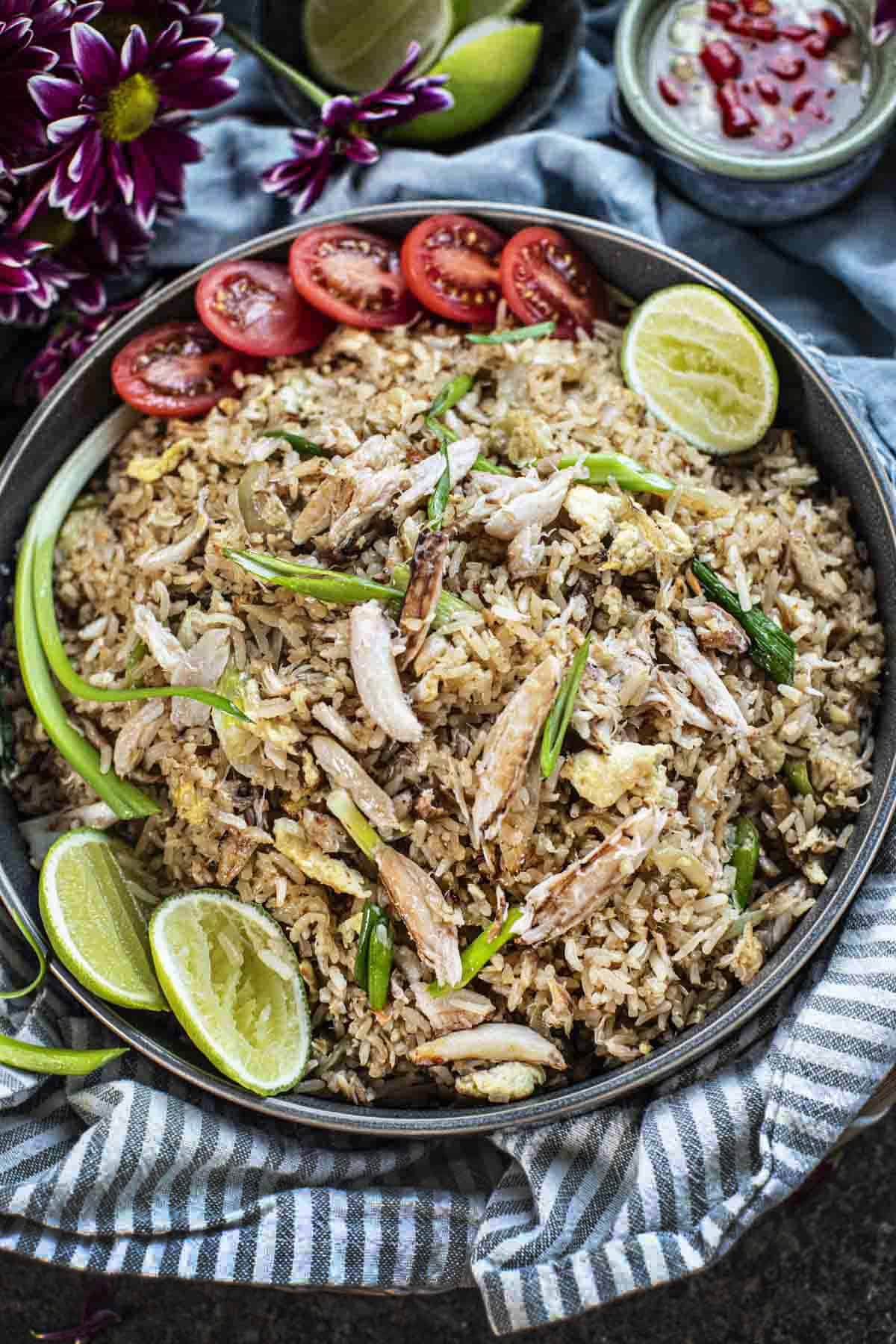
Photo: Simply Suwanee
Crab Fried Rice — Khao Pad Pu in Thai — is the plate that quietly wins the table in Thai restaurants across America. No basil fire, no curry heat, just warm jasmine rice turned glossy in a hot wok with garlic, egg and sweet lump crab, finished with spring onions, a squeeze of lime and a little spoon of chillies in fish sauce on the side. In Thailand it is a beloved, everyday fried rice, the kind beach towns and Bangkok shop-houses do brilliantly. In the United States it became something more: the dish first-time guests order to test a kitchen, and the one regulars come back for, because when the crab is generous and the rice is right, there is nowhere for a cook to hide.
A Thai dish that found a second home
Fried rice itself came to Thailand with Chinese cooks, and Thai kitchens made it their own with fish sauce, lime and fresh herbs. Crab fried rice is the coastal, celebratory version — the one you order when the crab is good. Thai restaurants that opened across America from the 1970s onward put it near the top of the rice section, and American diners took to it at once. It was familiar enough — rice, egg, seafood — and completely new in its seasoning: savoury before sweet, perfumed with garlic and white pepper, brightened at the table rather than in the wok. That balance is why it belongs in this Thai–American fusion tab. The recipe did not change to cross the Pacific. America changed around it, learning to love a fried rice that is delicate, not dark and soy-heavy, and that treats good crab with respect.
Why crab needs a gentle hand
Crab is sweet, soft and expensive, so this dish is built to protect it. The seasoning stays light, the wok work stays quick, and the crab goes in late, folded through just long enough to warm without breaking into shreds. The flavour leads are:
- Lump crab meat: big, sweet pieces are the whole point — picked over for shell, kept in chunks
- Day-old jasmine rice: cold, dry grains that separate and toast instead of steaming into clumps
- Egg: scrambled in ribbons through the rice, or folded in soft — never rubbery
- Garlic: the quiet base note, fried just until fragrant
- Fish sauce and a little light soy: savoury depth without darkening the rice
- A pinch of sugar and white pepper: the classic Thai balance — roundness and gentle warmth
- Spring onions and coriander: freshness added at the very end
- Lime, cucumber and prik nam pla: served alongside, so each eater brightens and heats their own plate
A good plate should taste of crab first, rice second, and seasoning third — clean, warm and just rich enough from the egg.
The rice matters most
Every fried-rice cook gives the same advice, and crab fried rice proves it: cook the rice ahead and chill it, uncovered or lightly covered, overnight. Fresh, warm rice carries too much moisture and turns soft and heavy in the wok. Cold jasmine rice, loosened with your hands so there are no lumps, fries grain by grain and picks up a faint toasty edge. Work in batches if your wok is small, keep the heat high, and do not crowd the pan. If canned or tub crab is what you can get in America — and good pasteurised lump crab is widely sold — drain it well and pat it dry; wet crab will steam the rice. Fresh crab is glorious, frozen lump crab is very good, and both are better than working hard with a whole crab at home unless you love the picking.
Home recipe: Crab Fried Rice (serves 3–4)
For the fried rice:
- 4 cups cooked jasmine rice, cooked the day before and chilled (about 650g)
- 250–300g lump crab meat, drained, patted dry and picked over for shell
- 3 eggs, lightly beaten with a pinch of salt
- 4 garlic cloves, finely chopped
- 1 small onion, finely diced, or 3 shallots, sliced
- 3 tablespoons neutral oil
- 1½ tablespoons fish sauce, plus more to taste
- 1 tablespoon light soy sauce
- 1 teaspoon sugar
- ½ teaspoon ground white pepper
- 4 spring onions, cut into 2cm lengths, plus extra sliced to serve
- Small handful fresh coriander leaves, roughly chopped
To serve:
- Lime wedges and cucumber slices
- Prik nam pla: 2 tablespoons fish sauce, 1 tablespoon lime juice, 1 teaspoon sugar and 2–3 bird's eye chillies, sliced
- Extra coriander and spring onion tops
- Prep everything first: loosen the cold rice with wet hands so the grains separate. Stir the fish sauce, soy sauce, sugar and white pepper together in a small bowl. Make the prik nam pla and set it aside. Once the wok is hot, this dish moves in minutes.
- Scramble the eggs: heat a wok or large frying pan over high heat, add 1 tablespoon of the oil, and pour in the eggs. Swirl and fold them just until softly set in ribbons, then tip them out onto a plate. Wipe the wok clean.
- Fry the aromatics: return the wok to high heat with the remaining oil. Add the garlic and onion and stir-fry for 30–60 seconds, until fragrant and just softening at the edges — do not let the garlic brown.
- Fry the rice: add the cold rice and toss and press it against the hot wok for 2–3 minutes, breaking up any last clumps, until the grains are hot, separated and faintly toasty. Pour the sauce mixture around the edge of the wok so it sizzles, then toss everything together evenly.
- Fold in egg and crab, gently: return the eggs, breaking them into bite-size ribbons. Add the crab and the spring onion lengths and fold — do not stir hard — for 1–2 minutes, just until the crab is warmed through and still in generous pieces. Taste: it should be savoury, lightly sweet and peppery. Add a splash more fish sauce if it needs salt, or a pinch more sugar if it tastes flat.
- Serve the restaurant way: mound the rice on a warm platter, scatter coriander and extra spring onions over the top, and arrange cucumber and lime wedges alongside. Put the prik nam pla in a small bowl on the table. Squeeze lime over your own portion first, then add chilli fish sauce spoon by spoon — that order keeps the crab sweet and the rice bright.
The home-cook's rule: cold rice, a very hot wok, and a light hand at the end. Season the rice, not the crab, warm the crab through without breaking it, and let lime and prik nam pla do their work at the table, not in the pan.
Why it endures
Crab Fried Rice endures on American Thai menus because it is honest cooking that travels well. It asks for no rare paste and no fierce heat — just good rice, good crab and good judgement — and it rewards all three in every bite. At home it is also the most useful kind of celebration dish: quick enough for a weeknight when the crab is already picked, special enough for guests, and gentle enough that everyone at the table, chilli-lover or not, can season their own plate exactly as they like it. Make it once with cold rice and a properly hot wok, keeping those crab lumps whole, and you will understand why this quiet plate became a classic an ocean away from where it started.


Comments
Post a Comment