Khao Soi: Chiang Mai's Curry Noodle Soup
Ask ten people for the one dish you must eat in Chiang Mai and nine of them will say khao soi before you finish the question. It is the north's signature bowl: flat egg noodles swimming in a golden coconut curry, crowned with a tangle of the same noodles deep-fried crisp, the meat slow-cooked until it surrenders. It is rich without being heavy, warmly spiced without blowing your head off, and it comes with a little construction kit of toppings that makes every bowl slightly your own. Visitors plan return trips around it. Locals have a shop, and the shop has a table that is basically theirs.
Two Noodles, One Bowl
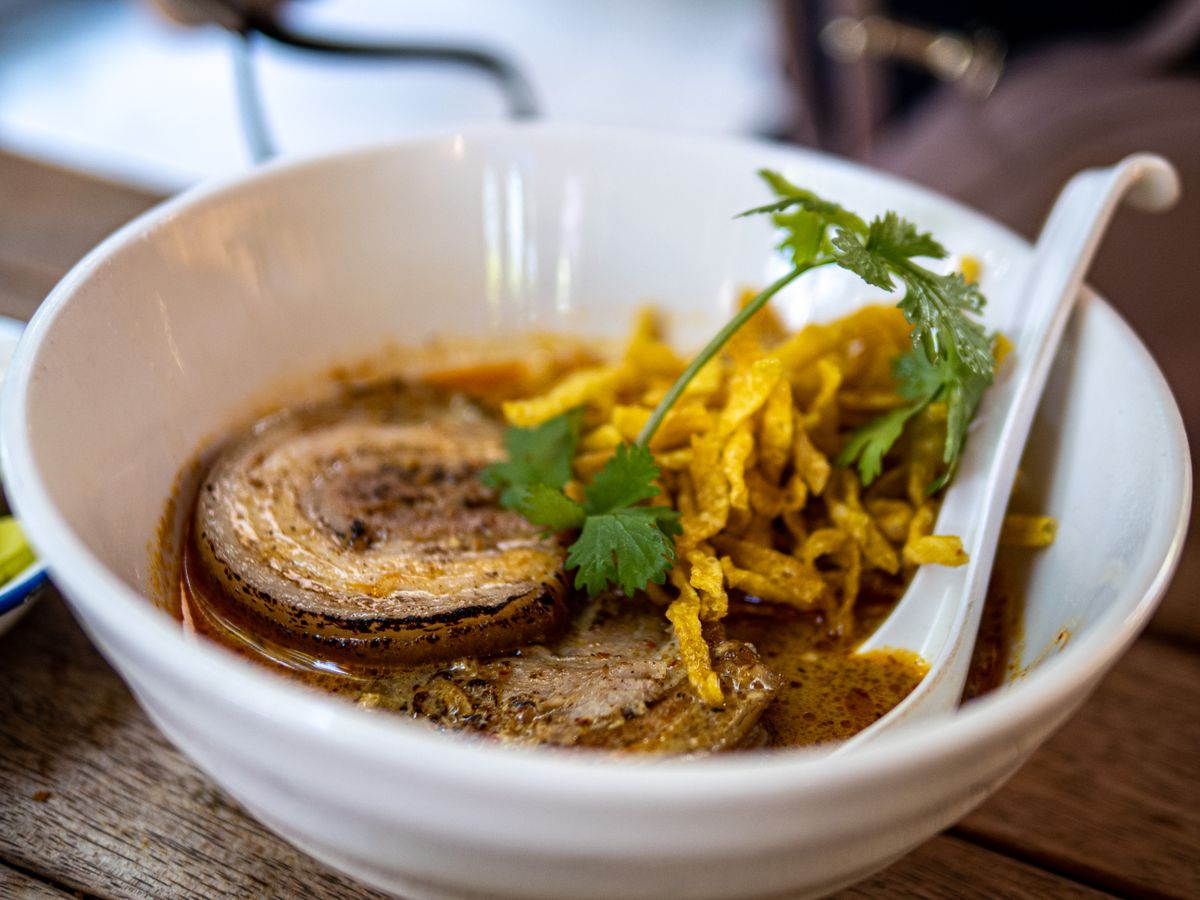
The trick of khao soi is texture. Soft boiled egg noodles — flat, yellow, closer to a tagliatelle than to the rice noodles of the south — carry the soup. On top sits a nest of those same noodles fried until they shatter, so every mouthful has chew and crunch at once. Get the crispy ones into the curry early if you like them softening; hold them back if you want the crackle to last.
The broth is a curry first and a soup second: a paste built on dried chillies, turmeric, coriander seed, cumin, ginger and shallot, fried in coconut cream until the oil shines, then loosened with coconut milk. Chicken on the bone (khao soi gai) is the classic; beef (khao soi nuea), braised for hours, runs it close. By Thai standards the heat is gentle — the dish wants warmth, not war — and the seasoning leans a touch sweet, finished with fish sauce and a whisper of palm sugar.
A Dish That Walked the Trade Routes
Khao soi is a traveller that settled down. Its roots run back to the Chin Haw — Yunnanese Chinese Muslim traders whose mule caravans worked the routes from Yunnan down through Burma into the Lanna kingdom. Muslim cooks brought the curry spices and the wheat-and-egg noodle tradition; the dish's very name is often traced to the Burmese word for noodles, and the classic versions still show the heritage: beef is honoured, pork traditionally absent, and some of Chiang Mai's most revered khao soi shops are Muslim-run, a few generations deep.
In the north it found coconut, local shallots and Lanna appetites, and stopped travelling. Chiang Mai claims it loudest, but you will meet fine bowls in Chiang Rai, Lampang and Mae Hong Son, each town quietly convinced its own is the true one. It is the edible proof that the north was never isolated — it was a crossroads, and this is what the crossroads tasted like.
The Toppings Are Not Optional
A bowl of khao soi arrives unfinished on purpose. Around it comes a small plate of pickled mustard greens, raw shallots sliced thin, a lime wedge and — at most tables — a dish of roasted chilli oil or flakes. These are not garnish. The pickles cut the coconut richness with a clean sour crunch; the shallot gives bite; the lime lifts the whole bowl; the chilli is yours to calibrate, because the kitchen kept it polite.
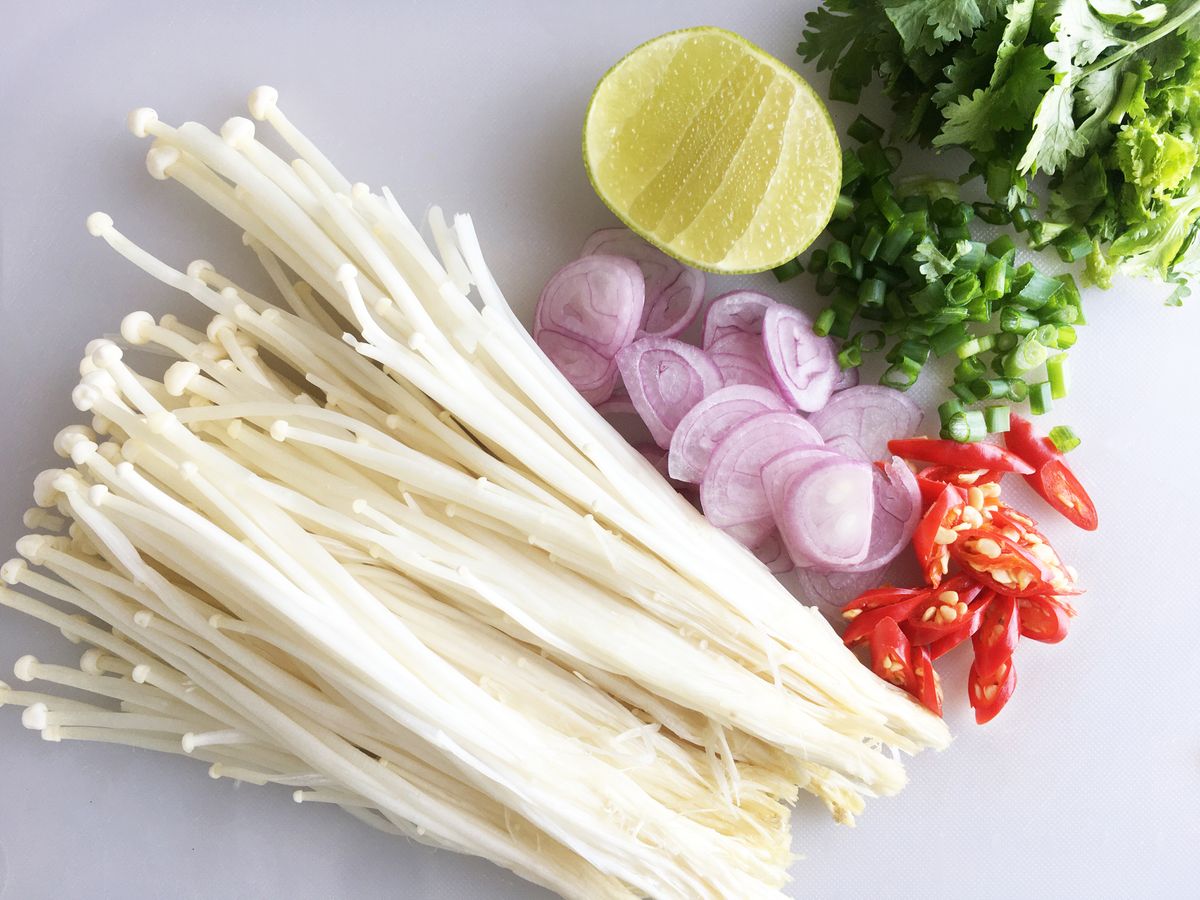
Skip the pickles and the bowl goes flat by the halfway mark. Stir everything in, taste, then add chilli a little at a time — khao soi rewards fiddling, and no two regulars build theirs the same way.
Eating It Like a Local
Khao soi is a lunch dish at heart. Many of the best shops open mid-morning, sell out by early afternoon and close when the pot is empty, so plan it as the middle of your day rather than the end. Prices at local shops are honest street-food money — roughly the cost of any good noodle bowl in the north, usually well under a hundred baht — and a side of sai oua or a shared nam prik turns it into the full northern spread.
In Chiang Mai, the famous names around the old city and the lanes off Nimmanhaemin draw queues, but the wiser move is to ask anyone local where their shop is and go there instead. The north runs on this bowl the way Isan runs on sticky rice. One bowl and you will understand why.


Comments
Post a Comment